NASYA
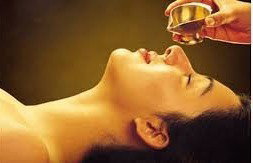
Nasya is a therapeutic procedure in Ayurveda, a traditional system of medicine originating from India. It involves the administration of herbal oils, powders, or liquids through the nasal passages. Nasya is believed to have various benefits for both physical and mental well-being. It’s important to note that before undergoing any Ayurvedic procedure, you should consult a qualified Ayurvedic practitioner to ensure that it’s suitable for your individual constitution and health condition.
1.Preparation
Before starting the Nasya procedure, the Ayurvedic practitioner will assess your constitution (Prakriti) and your current health condition. This helps determine the appropriate type of Nasya and the substances to be used.
2.Preparation of Nasya Substance:
The Nasya substance can be an herbal oil, ghee (clarified butter), decoctions, medicated powders, or herbal juices. The selection of the substance depends on the individual’s dosha (body constitution) imbalance and the intended therapeutic effect.
3.Administration:
- The Nasya procedure is typically performed in a specific manner:
- The person lies down with the head tilted slightly backward.
- A few drops or a specific quantity of the Nasya substance is administered into each nostril using a dropper or other suitable applicator.
- The person is advised to inhale gently, allowing the substance to reach deeper nasal passages.
- After the administration, the person might be asked to massage the area around the nose and forehead to help spread the substance.
4.Post-Procedure Care:
After Nasya, it’s recommended to avoid exposure to cold wind, excessive talking, and heavy physical activities for a certain period of time to allow the substances to be absorbed effectively.
5.Benefits of Nasya:
Nasya is believed to offer a range of benefits, including:
- Clearing Sinuses: Nasya helps to clear the nasal passages and sinuses, promoting better breathing and reducing congestion
- Relieving Headaches: It can alleviate headaches, especially those caused by congestion or sinus issues.
- Improving Mental Clarity: Nasya is thought to support mental clarity, focus, and concentration.
- Balancing Doshas: When administered correctly, Nasya can help balance the doshas (Vata, Pitta, Kapha) and address their imbalances.
- Promoting Hair Health: Some Nasya oils are designed to nourish the hair and scalp, promoting healthy hair growth.
6.Duration and Frequency:
The frequency and duration of Nasya treatments depend on the individual’s condition and the type of Nasya being used. A qualified Ayurvedic practitioner will provide guidance on the recommended schedule.
